Foods That Help Balance Hormones Naturally
A Holistic Guide for Women Dealing with Fatigue, PCOS, PMS, and More
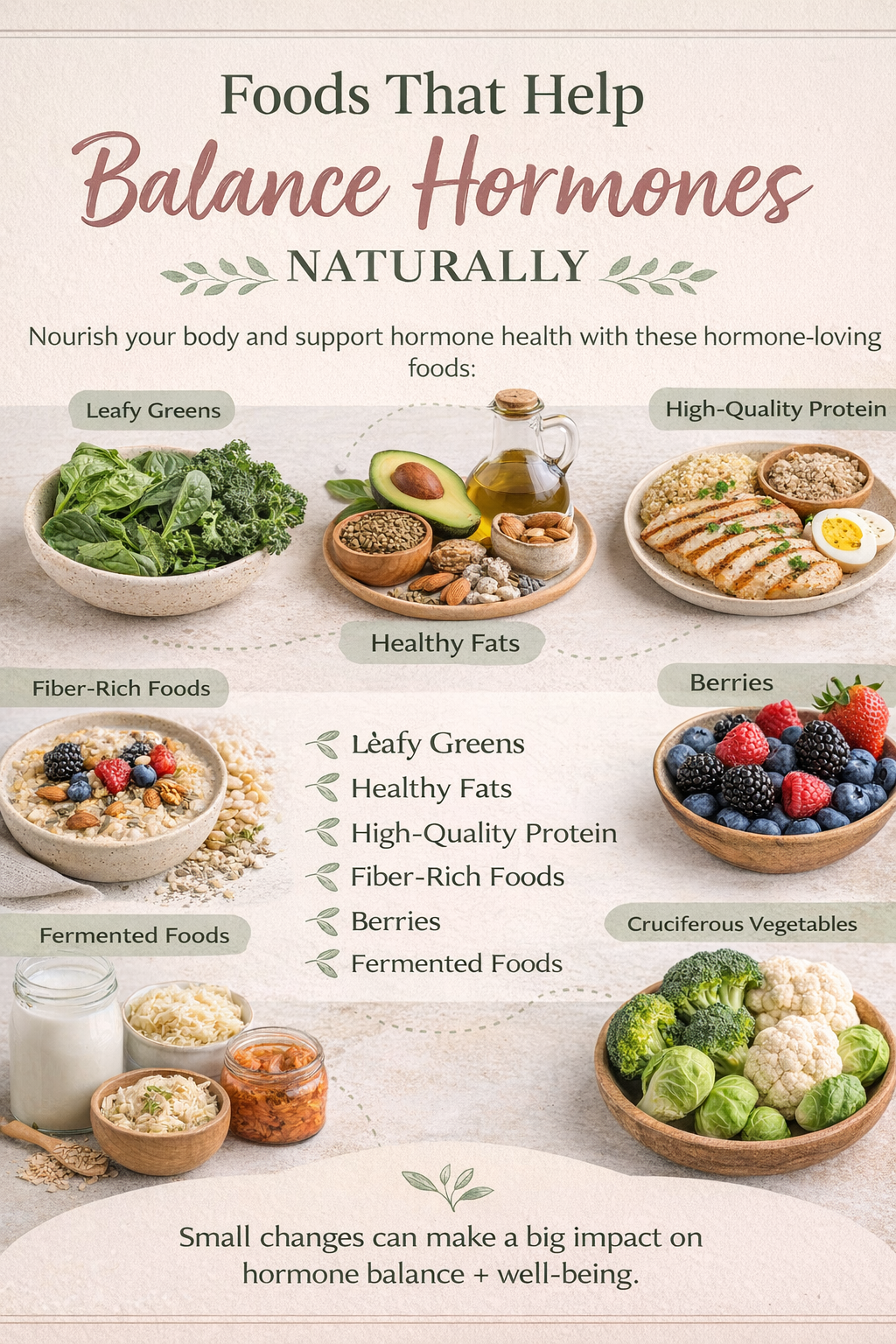
Hormones influence nearly every system in your body — from energy levels and mood to metabolism, sleep, and reproductive health.
When hormones are balanced, you may feel energized, focused, and emotionally stable. But when they’re out of balance, symptoms can show up in ways that feel frustrating and confusing.
Many women experience symptoms like:
• Persistent fatigue
• Mood swings or irritability
• Weight gain that feels hard to explain
• Irregular cycles
• Acne or skin changes
• Cravings or blood sugar crashes
While medication can be helpful in some cases, many women are also looking for holistic ways to support hormone balance naturally.
One of the most powerful places to start is with food.
Why Nutrition Matters for Hormone Health
Your hormones rely on nutrients from food to function properly.
Highly processed foods, excess sugar, and inflammatory ingredients can contribute to hormone disruption by:
• Spiking blood sugar
• Increasing inflammation
• Stressing the gut microbiome
• Disrupting insulin balance
Whole, nutrient-dense foods provide the building blocks your body needs to regulate hormones more effectively.
When you support your body with the right foods, you may notice improvements in:
• Energy levels
• PMS symptoms
• digestion
• mood stability
• metabolic health
7 Foods That Support Hormone Balance
1. Leafy Greens
Spinach, kale, and arugula are rich in magnesium, fiber, and antioxidants, which support detoxification and reduce inflammation.
These nutrients help the body process excess hormones and maintain balance.
Easy ways to include them:
• Add spinach to smoothies
• Toss arugula into salads
• Add sautéed greens to eggs or grain bowls
2. Healthy Fats
Hormones are built from fat, which means healthy fats are essential for hormone production.
Focus on fats like:
• Avocados
• Olive oil
• Nuts and seeds
• Chia seeds
• Flaxseeds
These fats help support hormone signaling and stabilize blood sugar.
3. High-Quality Protein
Protein helps regulate blood sugar and provides amino acids that support hormone production.
Good sources include:
• Chicken
• Turkey
• Eggs
• Beans and lentils
• Greek yogurt
Aim to include protein with each meal to support steady energy levels throughout the day.
4. Fiber-Rich Foods
Fiber helps remove excess hormones from the body through digestion.
Foods rich in fiber include:
• vegetables
• beans
• lentils
• oats
• whole grains
Fiber also supports gut health, which plays an important role in hormone metabolism.
5. Berries
Berries are packed with antioxidants that help reduce inflammation and protect cells from oxidative stress.
Options include:
• blueberries
• strawberries
• raspberries
• blackberries
They’re also lower in sugar compared to many other fruits, making them supportive for blood sugar balance.
6. Fermented Foods
Your gut health directly influences hormone balance.
Fermented foods help support a healthy gut microbiome, which helps regulate estrogen and other hormones.
Examples include:
• yogurt
• kefir
• sauerkraut
• kimchi
7. Cruciferous Vegetables
Vegetables like broccoli, cauliflower, and Brussels sprouts contain compounds that help the body process estrogen more effectively.
These vegetables support the liver’s detox pathways, which can help prevent hormonal buildup.
Try roasting them with olive oil and garlic for an easy, flavorful side dish.
Foods That May Disrupt Hormone Balance
While no food needs to be completely off limits, some foods can make hormone imbalance worse when eaten frequently.
Examples include:
• Highly processed foods
• Excess sugar
• Refined carbohydrates
• Artificial additives and preservatives
Gradually replacing these foods with whole foods can make a significant difference over time.
Small Changes Can Make a Big Impact
Balancing hormones doesn’t require a perfect diet or extreme restrictions.
Instead, focus on consistent small changes, such as:
• adding more whole foods
• increasing protein and fiber
• reducing ultra-processed foods
• supporting gut health
These habits create a foundation that helps your body regulate hormones more naturally.
When to Seek Professional Support
If you’re experiencing persistent symptoms such as severe fatigue, irregular cycles, PCOS, thyroid concerns, or chronic inflammation, working with a qualified practitioner can help.
Holistic and functional practitioners often take a root-cause approach to hormone health by evaluating nutrition, lifestyle, gut health, and metabolic factors.
Final Thoughts
Hormones influence how you feel every day — but supporting them doesn’t have to be complicated.
By focusing on whole foods, balanced nutrition, and gut health, you can give your body the tools it needs to restore balance and function more effectively.
Small steps toward nourishing your body can lead to meaningful improvements in your energy, mood, and overall well-being.
FAQ: Hormone Balance
What are the signs of hormone imbalance?
Common signs include fatigue, mood swings, weight gain, irregular cycles, acne, and sleep issues.
Can food really affect hormones?
Yes. Nutrients from food help regulate insulin, cortisol, estrogen, and other hormones involved in metabolism and reproductive health.
How long does it take to improve hormone balance?
Many people begin noticing improvements within a few weeks of consistent dietary and lifestyle changes, though deeper imbalances may take longer.