Massage Therapy: More Than Relaxation - A Holistic Approach to Wellness
Massage Therapy Explained: Benefits, Modalities, and What to Expect
When most people think of massage therapy, they think of relaxation or a spa day.
While massage is well-known for helping people unwind, it can also play a role in supporting overall wellness, recovery, and stress management.
Many individuals incorporate massage therapy not only for occasional relief but as part of a preventative and holistic health routine.
In this article, we’ll explore what massage therapy is, the different types available, and how each modality may support different wellness goals.
What Is Massage Therapy?
Massage therapy involves the manipulation of muscles and soft tissues to support relaxation, mobility, and overall wellbeing.
Licensed massage therapists use various techniques to address tension, improve circulation, and promote physical and mental relaxation.
According to the American Massage Therapy Association, massage therapy is commonly used to support stress reduction, muscle relaxation, and general wellness.
Learn more:
https://www.amtamassage.org
Massage Therapy as Preventative Wellness
Just like exercise, stretching, or chiropractic care, massage therapy can be used proactively to support the body before discomfort becomes more noticeable.
Regular massage sessions may support:
• Muscle recovery and flexibility
• Stress management
• Circulation
• Relaxation and mental clarity
• Overall physical comfort
Many people include massage therapy as part of a self-care routine to help manage the physical and emotional demands of daily life.
Types of Massage Therapy and Their Uses
There are many different types of massage therapy, each with its own approach and intended benefits. Choosing the right one often depends on your goals and preferences.
1. Swedish Massage
This is one of the most common and widely known types of massage.
Often used for:
• Relaxation
• Stress relief
• Improving circulation
Swedish massage uses long, flowing strokes and is typically a great option for beginners.
2. Deep Tissue Massage
Deep tissue massage focuses on deeper layers of muscle and connective tissue.
Often used for:
• Chronic muscle tension
• Areas of tightness
• Postural discomfort
Pressure is generally more intense than Swedish massage and may be used for targeted areas.
3. Sports Massage
Designed for active individuals, sports massage focuses on muscle recovery and performance support.
Often used for:
• Pre- or post-workout recovery
• Muscle soreness
• Mobility and flexibility
It can be beneficial for both athletes and those with physically demanding routines.
4. Prenatal Massage
This type of massage is specifically tailored for individuals during pregnancy.
Often used for:
• Reducing physical discomfort
• Supporting relaxation
• Addressing tension from body changes
Therapists trained in prenatal massage use positioning and techniques designed for safety and comfort.
5. Lymphatic Drainage Massage
This gentle technique focuses on supporting the body’s lymphatic system, which plays a role in fluid balance and immune function.
Often used for:
• Reducing swelling
• Supporting circulation
• Post-surgical recovery (when approved by a provider)
6. Trigger Point Therapy
This modality focuses on specific areas of tightness or “knots” in the muscles.
Often used for:
• Targeted muscle tension
• Referred discomfort patterns
• Improving range of motion
7. Hot Stone Massage
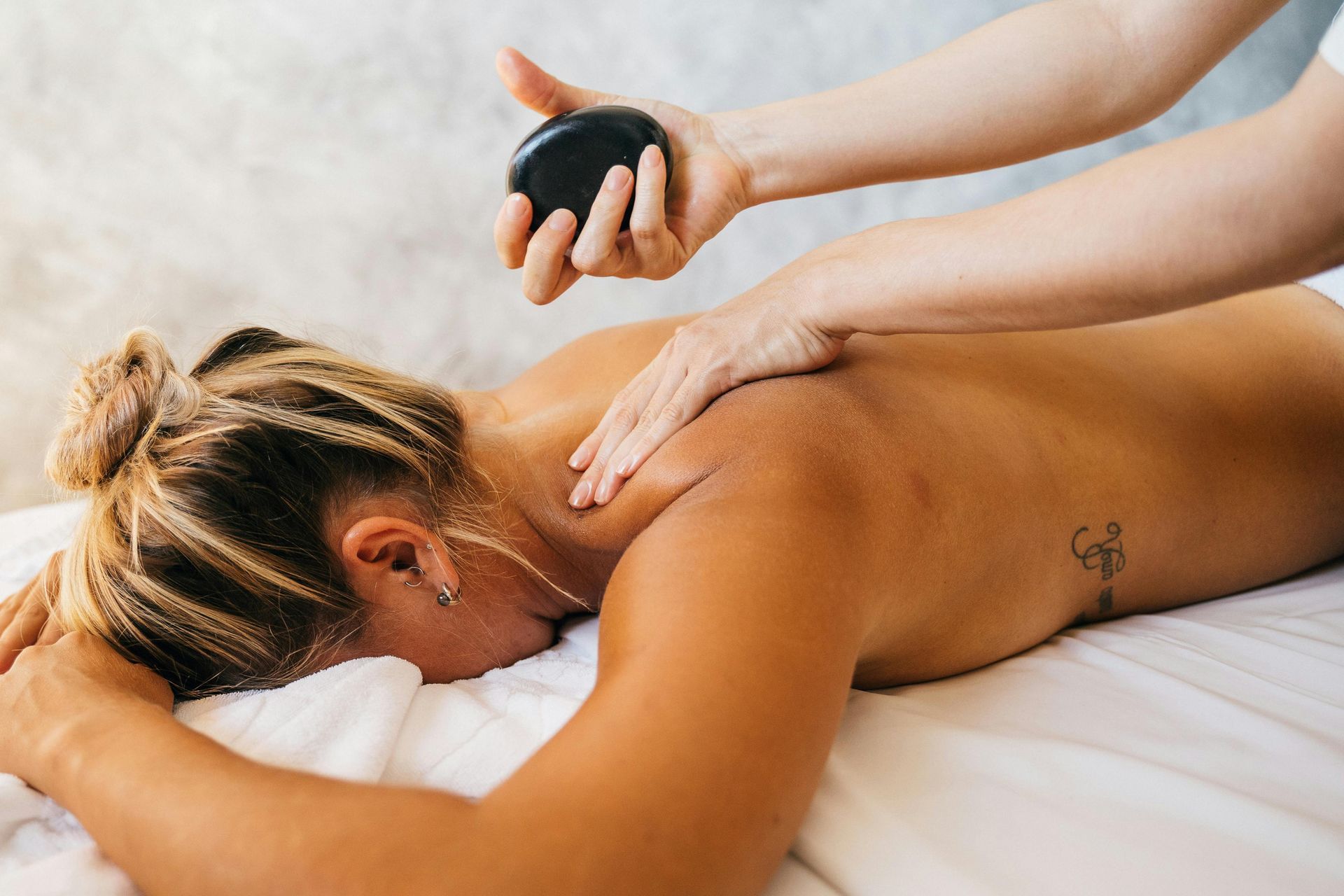
Hot stone massage uses heated stones placed on the body to help relax muscles.
Often used for:
• Deep relaxation
• Reducing muscle tension
• Enhancing circulation
Massage Therapy and Stress Support
One of the most common reasons people seek massage therapy is to manage stress.
Massage may help promote a relaxed state, which can support overall wellbeing and help individuals feel more balanced.
Organizations like the National Center for Complementary and Integrative Health note that massage therapy is commonly used for stress reduction and relaxation.
Learn more:
https://www.nccih.nih.gov/health/massage-therapy-what-you-need-to-know
Is Massage Therapy Right for You?
Massage therapy is used by a wide range of individuals, including:
• Busy professionals
• Athletes and active individuals
• Parents
• Individuals managing daily stress
• Those looking to support overall wellness
If you’re considering massage therapy, it can be helpful to:
• Identify your goals (relaxation, recovery, mobility)
• Ask about different modalities
• Choose a licensed and experienced therapist
• Communicate your comfort level and preferences
Important Educational Disclaimer
This article is intended for educational and informational purposes only. It is not medical advice and should not replace consultation with a licensed healthcare provider.
Massage therapy may not be appropriate for every individual or condition. Always consult with a licensed massage therapist or qualified healthcare professional regarding your specific needs, especially if you have a medical condition, injury, or are pregnant.
Find a Massage Therapist Near You
If you’re interested in exploring massage therapy, connecting with a qualified professional is the best place to start.
Our directory helps you find licensed massage therapists and holistic practitioners in your area, so you can choose a modality that aligns with your wellness goals.
👉 Explore the directory to find a massage therapist near you and learn more about the services they offer.